Rethinking the forgotten

Art bursts onto the scene this autumn at the Mapfre Foundation with the first major retrospective on the painter Raimundo de Madrazo, the master of detail, and that of the photographer Edward Weston and his subject matter of forms.
It is no coincidence that the Foundation's cultural director, Nadia Arroyo, christened the two exhibitions opened in Madrid with this reflection: rethinking the forgotten. This is because, despite both demonstrating their indisputable stature and artistic mastery in their respective fields, they did not receive the recognition they deserved during their lifetimes.
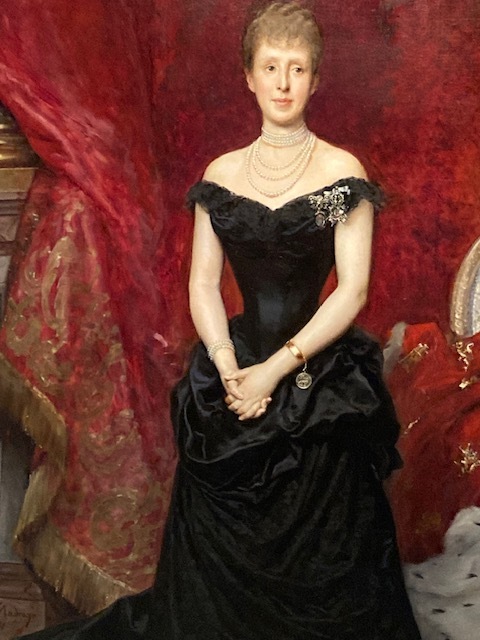
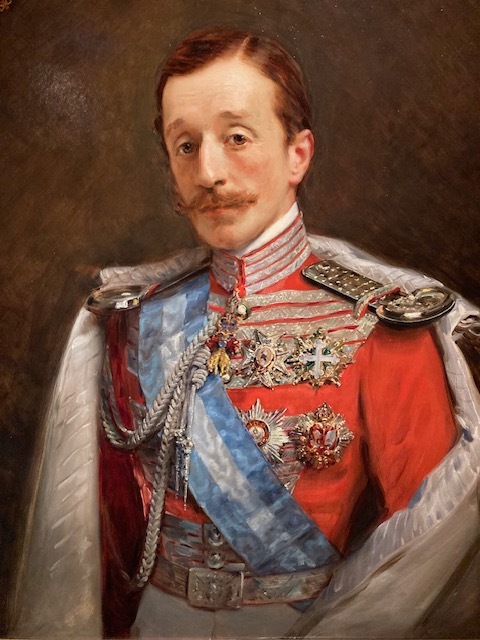
Raimundo de Madrazo (Rome, 1841-Versailles, 1920) is the third in the saga of painters who dominated portraiture in the 19th century. His work, considered in his day a symbol of elegance, emulation of the past and respect for tradition, established him as a key figure in the art scene and in the most distinguished and international social circles of the late 19th and early 20th centuries.
Amaya Alzaga, the exhibition's curator, explains it to us with an authority full of anecdotes, turning the tour into an analysis not only of the time in which Madrazo lived, but also an invitation to rethink and reflect, when the time of stillness and quiet observation of the things that pass by has given way to a frantic race against time.
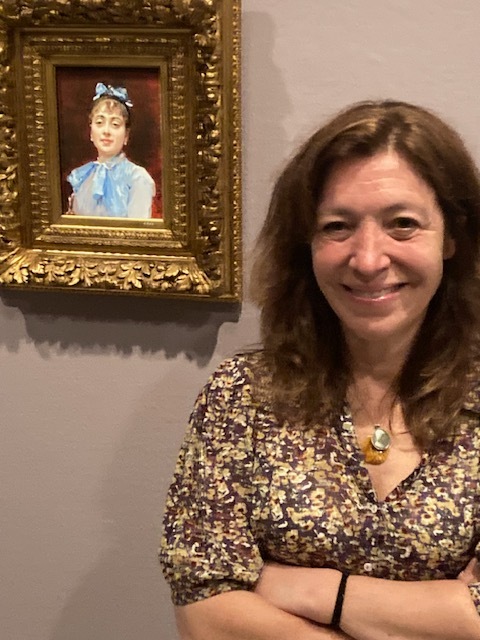
Alzaga, who reveals that it was her own father who paid for Raimundo's trip to Paris, did not know at the time that he would never return; that he would encounter the advent of new artistic trends, which were already beginning to be disputed by the most experienced and influential art dealers. His time, his refined taste, his meticulous representation of interiors and his technical skill in reproducing textures and materials meant that his work was relegated in subsequent art history. ‘Those were times,’ says Alzaga, 'when the train burst onto the scene, for some an invasive phenomenon, for others a step forward in progress that was worth getting on board. Madrazo preferred to be a 20th-century Vermeer, delving into capturing a still image of inactivity and attention to detail.'
Raimundo de Madrazo is, in any case, the worldly portraitist of his time and of female solitude, aspects beautifully captured in the more than one hundred works on display, including pieces that have come to light as a result of the research carried out for the exhibition, which vindicates his role as a key figure in 19th-century genre and portrait painting. With great tact, the curator does not shy away from making a few jibes when asked about the configuration of this exhibition: ‘When a retrospective is put together, two phenomena always appear: those who regret not having brought out and allowed the exhibition of works by the author in their possession, and the forgers, those who dare to plant an imitated signature on a work supposedly found by surprise’.
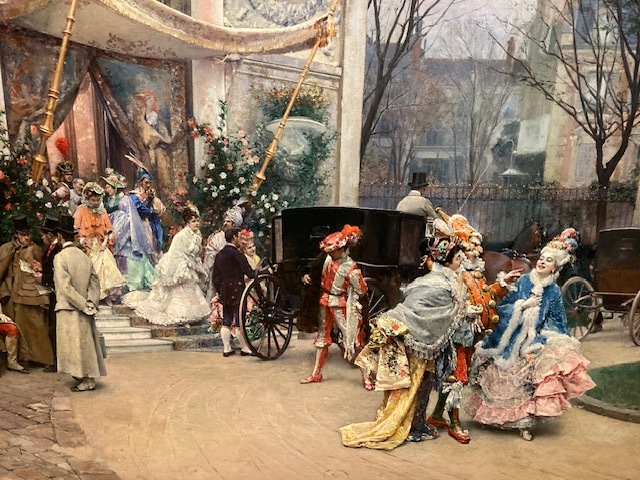
The painter spent his entire artistic career between Paris, where he arrived at the age of 20, and the United States, where he undertook several portrait tours from 1897 onwards. As a genre painter, the preciousness of his interiors and his skills as a great colourist are indisputable. In the latter, he competed with his brother-in-law and great friend Fortuny, to whom one of the rooms in the exhibition is dedicated. As a portraitist, Raimundo de Madrazo was one of the favourite painters of European and American high society. Among the loans that have made it possible to put together the exhibition, in addition to the Prado and some private collections, the contribution of the Meadows Museum, SMU, in Dallas is particularly noteworthy.
...And Weston to finish
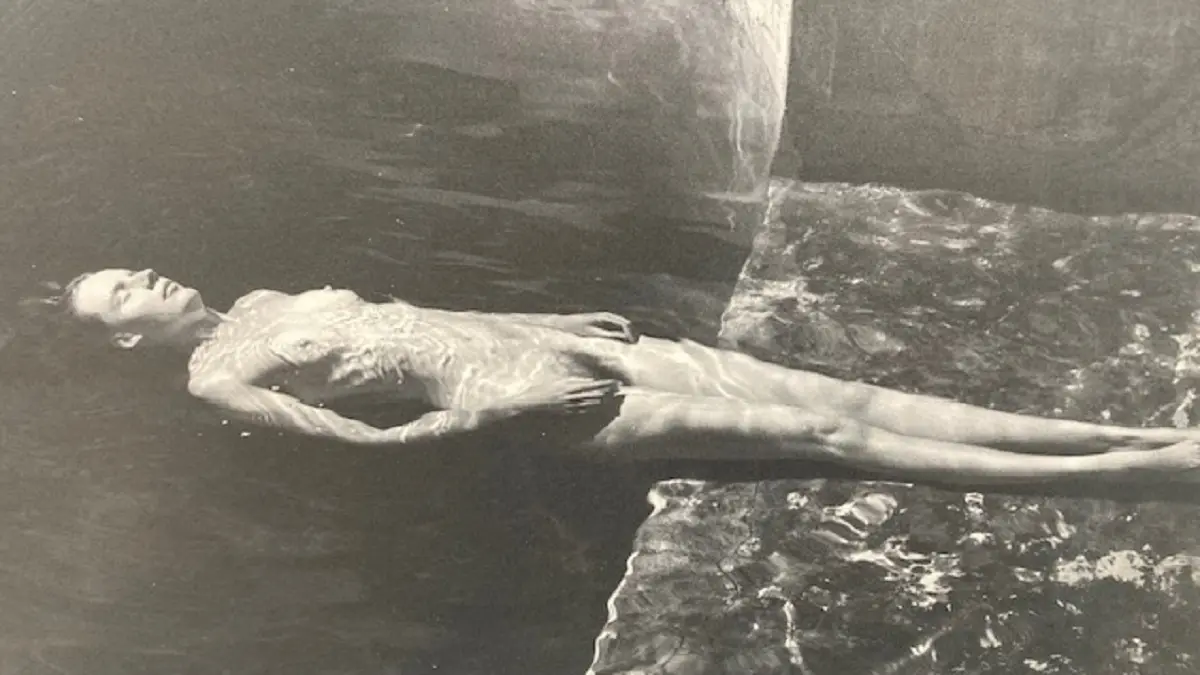
The Mapfre Foundation also dedicates several rooms to exhibiting the work of Edward Weston (Illinois, 1886- California, 1958), whose work is strongly linked to the American landscape and cultural history. In its extreme simplicity and originality, it offers a unique perspective on the consolidation of photography as an artistic medium and its important role in the context of modern visual arts.
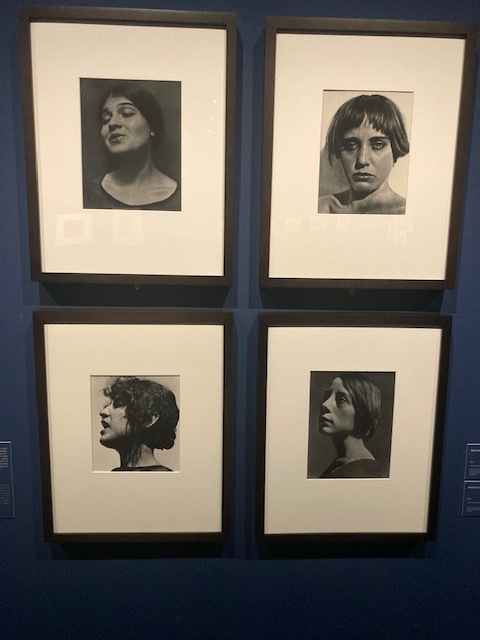
Also conceived as an anthological exhibition, it covers more than five decades of the artist's photographic production. From his initial interest in pictorialism to becoming one of the central figures in the poetic and speculative value of direct photography.
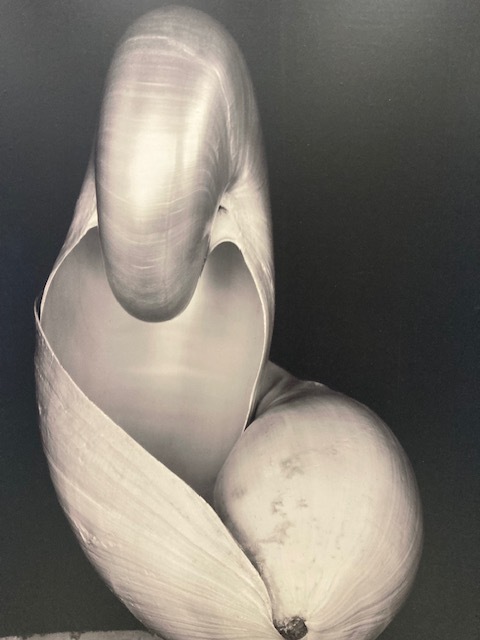
Curated by Sergio Mah, Weston's work, pioneering in its use of a modern photographic style, is characterised by the use of a large-format camera, offering richly detailed black-and-white images of extraordinary sharpness. His mastery of technique, coupled with his love of nature and form, led to the development of a body of work featuring iconic images of still lifes, nudes, landscapes and portraits. Co-founder of the f/64 photography collective, his images are key to understanding the new American aesthetic and lifestyle that emerged in the United States between the wars.