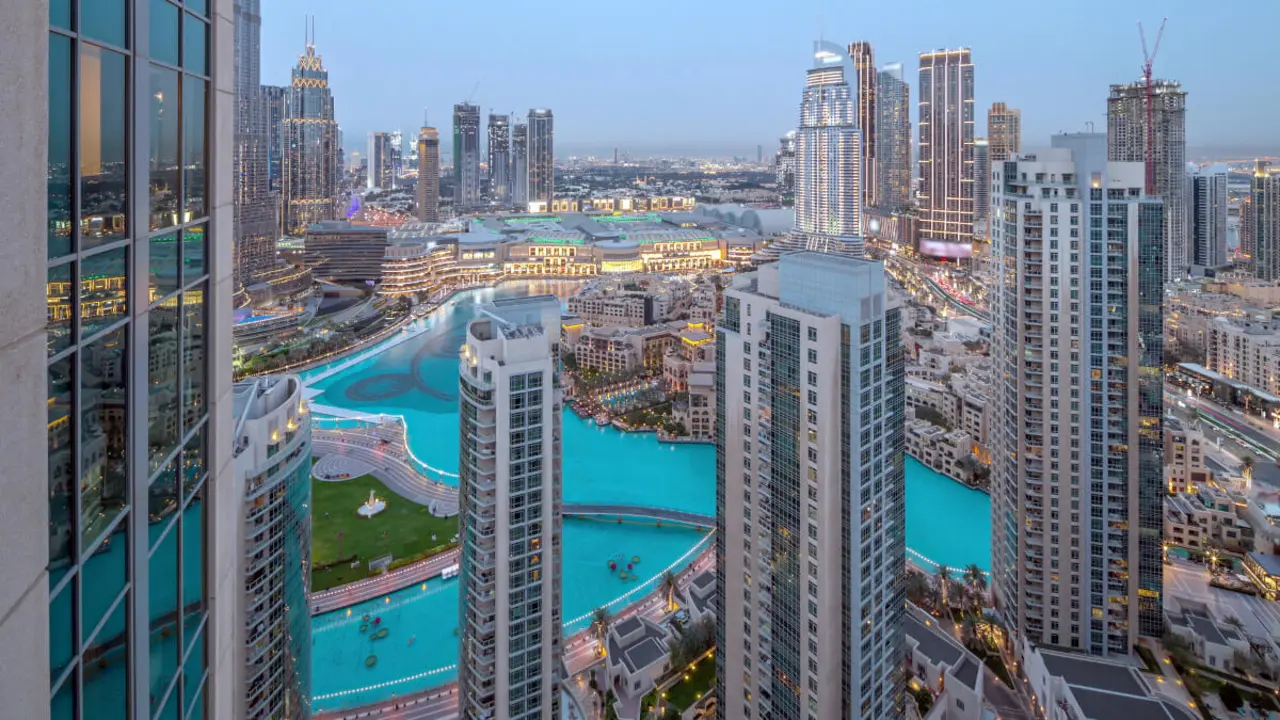
The Emirates establishes itself as the leading foreign investor in Morocco
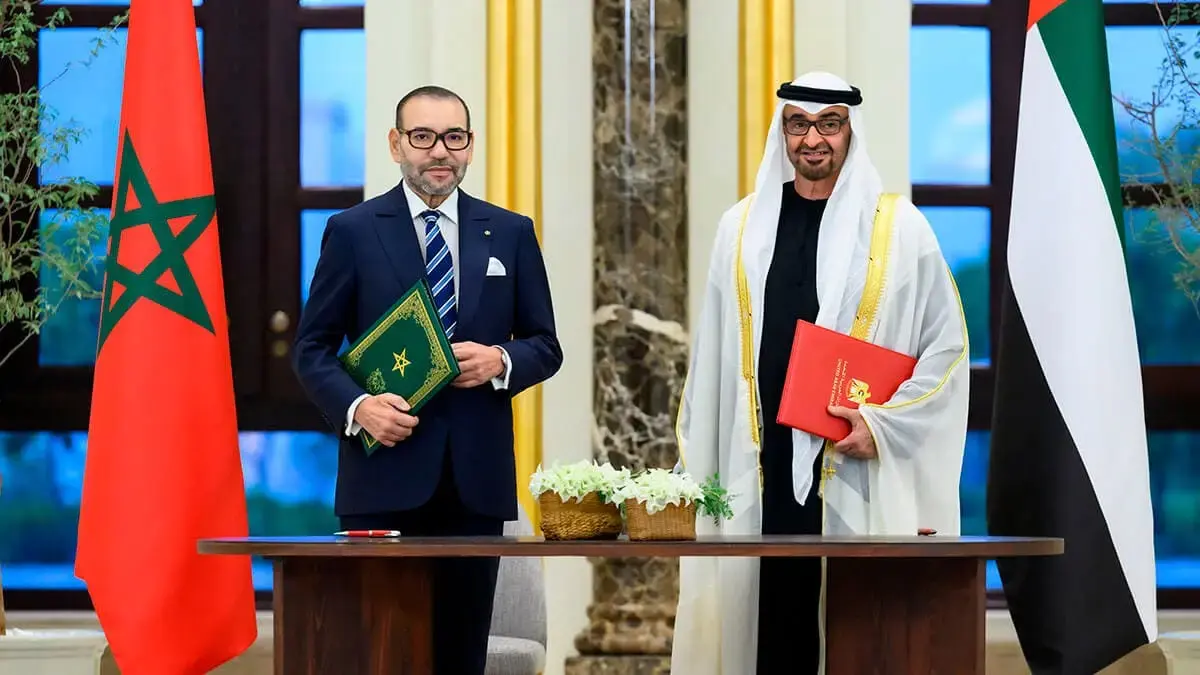
The United Arab Emirates (UAE) has consolidated its position as the leading foreign investor in Morocco, according to the 2024 report on the balance of payments and international investment position prepared by the Foreign Exchange Office, which reports to the Moroccan Ministry of Economy and Finance.
The Foreign Exchange Office is the administration responsible for enforcing foreign exchange regulations and authorising all currency movements, the opening of accounts in convertible dirhams or foreign currencies, transfers abroad, etc., making it a very important institution in the North African country.
The 2024 report by the Foreign Exchange Office highlighted how, until last year, the Emirates had consolidated its position as the main foreign investor in Morocco in terms of net direct investment flows, with 3.1 billion Moroccan dirhams (293 million euros), which represents exponential growth even compared to the previous year, 2023, when the figure reached 1.9 billion dirhams (180 million euros).
These figures give the Emirates an 18.9% share of the total net flow of Foreign Direct Investment (FDI) received by the Moroccan kingdom, ahead of other powerful investors such as Germany and China, whose net flows reached 2.1 billion dirhams (198 million euros) respectively in 2024.
The North African country received a net inflow of Emirati capital amounting to 3.1 billion Moroccan dirhams (approximately 293 million euros), 57.8% more than in 2023, representing exponential growth.
2024 saw a boom in FDI in Morocco, reaching 16.3 billion dirhams (1.54 billion euros), 52.5% more than the previous year.
This growth can be explained both by a 10.2% increase in FDI income (which reached 43.8 billion dirhams, or around 4.14 billion euros) and by a 5.3% decrease in associated expenditure, which fell to 27.5 billion dirhams (2.6 billion euros).
The improvement in the net balance, which had an income of 5.6 billion dirhams (530 million euros) compared to 2023, also resulted from a spectacular rebound in debt instruments, whose net flow increased from 1.9 billion to 7.2 billion dirhams (680 million euros), as well as an increase in equity securities to 7 billion dirhams (+14.9%). Conversely, reinvested earnings fell slightly to MAD 2.1 billion (198 million euros).
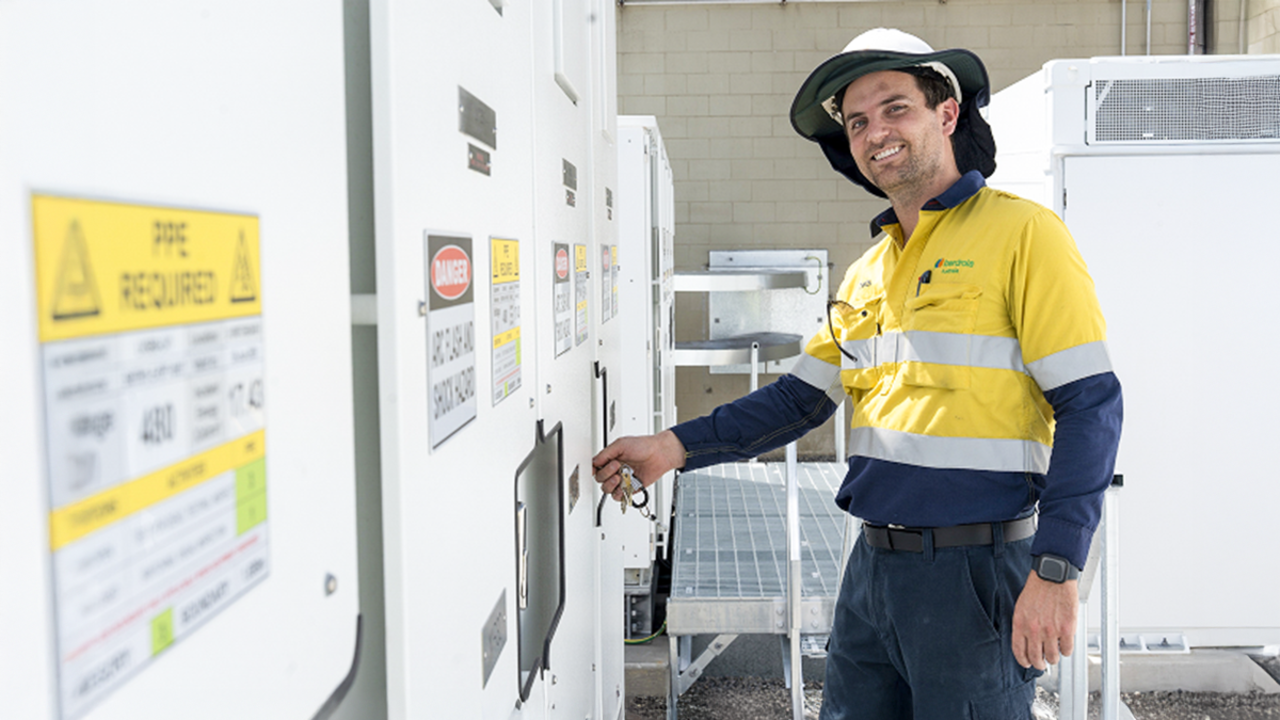
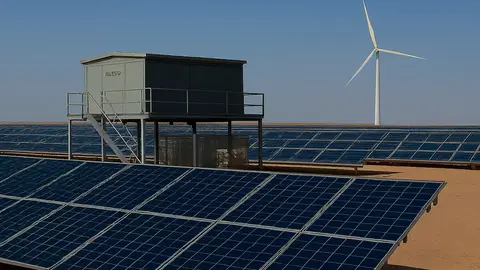
Non-European partners, particularly from the Gulf and Asian countries, have become very important in Morocco's investment map. The Emirates stand out here with a significant share in sectors such as real estate and industry, with a major role played by the renewable energy sector. In fact, a consortium formed by the Mohammed VI Investment Fund, TAQA Morocco and NAREVA has signed three memoranda of understanding with the Moroccan government and the ONEE for the development of new water and electricity transmission infrastructure, the development of seawater desalination infrastructure and the production of electricity from renewable sources and natural gas.
Morocco continues to be highly attractive for foreign direct investment, with strategies such as the New Investment Charter promoted by King Mohammed VI, which provides for significant direct financial aid to attract companies and businesses, relevant financial exemptions and the facilitation and automation of administrative processes to streamline procedures.