Spaniards want more Europe and more decisions to be taken at European level

Outside the umbrella of the European Union, it is very cold.
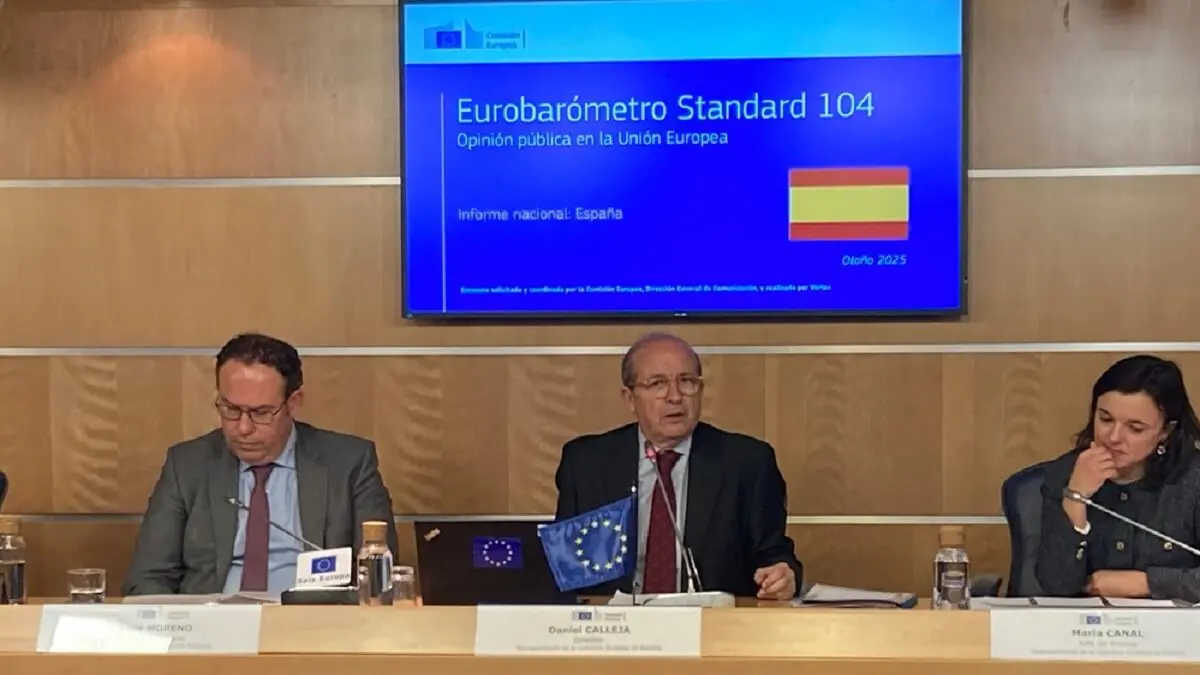
At least 74% of Spaniards believe this, according to the latest Eurobarometer, presented at the headquarters of the Spanish Representation of the European Commission by its new director, Daniel Calleja. This figure is five percentage points higher than in last spring's survey and six points higher than the average for the 27 countries that make up the EU. In addition, 77% of Spaniards believe that more decisions should be taken at EU level, a figure well above that for European citizens as a whole (59%).
According to Calleja, ‘with less than a month to go before the 40th anniversary of Spain's entry into the EU, it is very symbolic that three out of four Spaniards believe that our country faces a better future within the Union than outside it, and this demonstrates the positive impact of these four decades of shared progress.’
As for the main concerns, although the vast majority of Spaniards are satisfied with their daily lives (91%), housing is the main national headache, followed by inflation, immigration and the economic situation.
In the case of housing, there is a big difference between Spaniards and the rest of Europeans, since, while 36% of the former consider it to be the main problem facing citizens, only 13% of the rest of the EU share this obsession. When it comes to inflation, the terms are reversed: 23% of Spaniards consider it to be the other major problem, while among Europeans this figure rises to 31%. The comparison between Spaniards and other Europeans is more balanced with regard to immigration and the economic situation: 17% of Spaniards consider both problems to be important, compared to 15% and 19%, respectively, in the case of other EU citizens.
There is also agreement between Spain and Europe on what should be the first items to which the EU budget should be allocated. In both cases, although with some percentage differences, they are in favour of employment, social services and public health. Housing, a major concern in Spain (52%), is just double that in Europe (26%) where it would be at the top of the budgetary investment list. Meanwhile, education, training, youth, culture and the media are priorities for 46% of Spaniards, but only for 36% of Europeans.
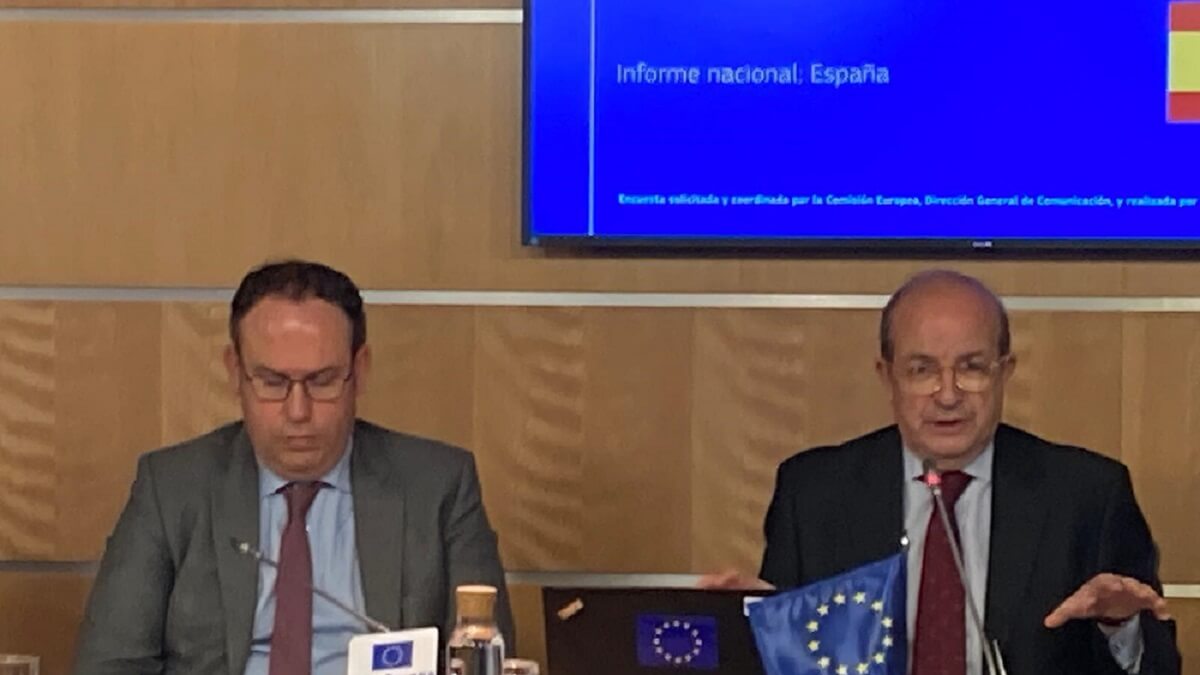
As for the problems facing the EU, both Russia's invasion of Ukraine and the international situation are the main challenges facing the EU, according to Spanish citizens. The second most important problem or challenge, also according to Spaniards, is immigration, at 21%, six points more than last spring. The Middle East is the third most important issue, according to 17% of Spaniards, compared to only 9% who think the same.
In terms of satisfaction with democracy, 51% of Spaniards are satisfied with how it works in their own country, just 1% more than in the last survey.
Finally, when it comes to the media, traditional media outlets are preferred when it comes to trusting the information they receive. Radio, with 59%, is the most credible, followed by the press with 47% and television with 43%. Digital media generate lower levels of trust, at 36%, while social media barely reach 22%, down four points from the previous year.
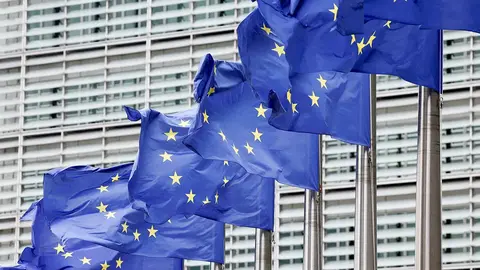
From all this, the Secretary-General for the European Union, Carlos Moreno, who co-presented this Eurobarometer, drew the conclusion that ‘40 years after their official entry into the EU, the Spanish people have not grown tired of it, and that remaining within it is infinitely better than separating and isolating themselves’.
For his part, Daniel Calleja confirmed that the European Commission is taking note of the data provided by the Eurobarometer, having presented the Affordable Housing Plan the day before and announced a European summit on housing for next year, even though this is not covered by the Treaties as such. Practically all social and institutional partners will be invited to this meeting.
Finally, judging what could be called Euro-optimism, based on the benefits received, the most ‘grateful’ citizens, in this order, are those of Malta, Portugal, Ireland and Lithuania, all of them above 90%. Spain, lagging slightly behind but in the second group of leaders, appears with just over 80% of citizens considering their membership of the Union to be very beneficial.